
Find the Right Diet to Suit All Your Needs
Are you wondering how to choose the right diet to suit you and your lifestyle? A diet so perfect for you it will help you lose weight long-term? Well, you have come to the right place!
Fancy Carrot has all the information about a range of diets so that it’s easy for everyone to find the one that truly suits their individual needs, lifestyle, commitments, schedule and goals. The information below will help you learn how to choose your perfect diet. If you want to find out more about healthy weight loss and how to avoid the dreaded yoyo-effect, you can visit the page Diets and Weight Loss.
Choose a diet from the list to see which one is right for you. If you can’t find the diet you are looking for, or if you need more information about any of our suggested diets, you can contact us at EMAIL and we will do our best to provide all the information you need.

Tell us who you are and we will tell you which diet is right for you
1. I spend a lot of my time at work sitting in front of a computer.

If you work long hours, you probably don’t have enough time to plan your meals, cook or exercise. You will benefit from the following diet plans:
- Intermittent Fasting such as the 16/8 Diet: Intermittent Fasting is simple and can be adjusted to fit any lifestyle. Because you are allowed to eat all types of food, it doesn’t require major changes to your everyday life. It’s especially great for anyone who has little time to plan and prepare their meals.
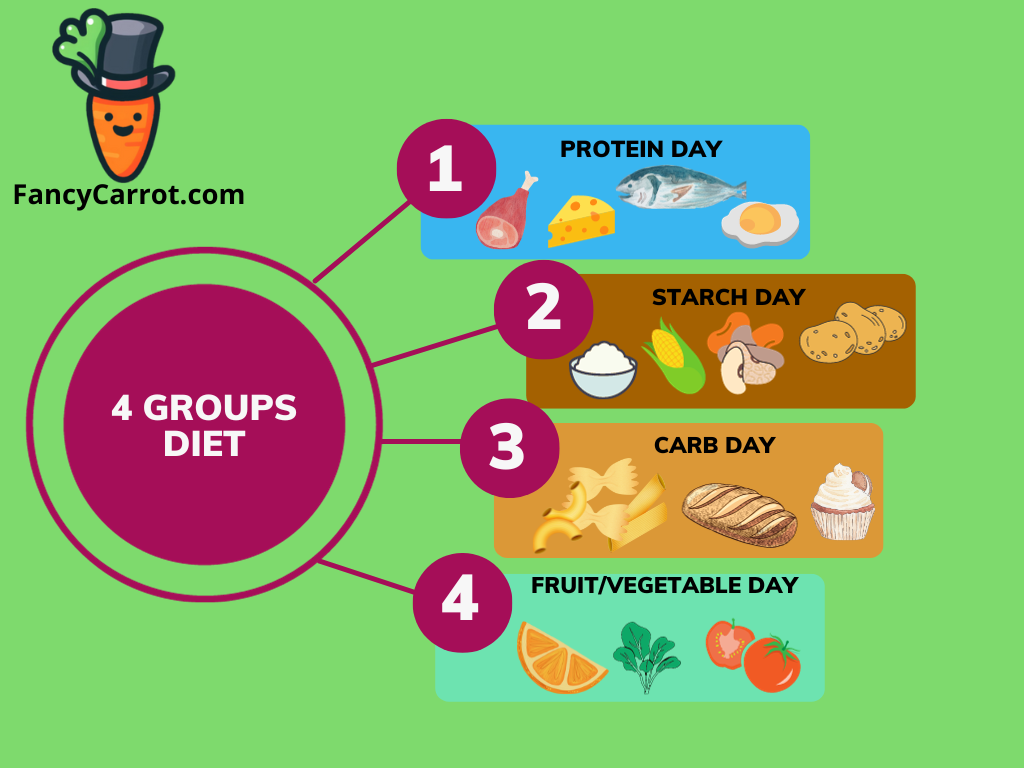
- 4 Groups Diet: The 4 Groups Diet doesn’t require any special meal planning. You can still eat all the foods you are used to eating and your mealtimes don’t have to change. Just stick to the food groups and that’s it!
2. I have young children and don’t have a lot of extra time or energy to plan or maintain a diet.

If you have young children, you have very little time to spend looking after yourself and this includes planning a diet or exercising to reach your weight loss goals. We understand this situation (we’ve all been there) so we recommend the following diet plans:
- Intermittent Fasting such as the 16/8 Diet: Intermittent fasting is very easy to adapt to your lifestyle so it’s simple to follow when your children are still young. All you need to do is make sure you eat your breakfast/dinner an hour or two later/earlier than usual. That’s it, you don’t need to change anything else. You can still eat your meals as a family and you’ll be able to eat all the foods you are used to eating with no additional limitations.
- 4 Groups Diet: You don’t need to plan a special diet menu for your 4 Groups Diet. You can still cook the exact same meals as before and serve your children what they are used to. All you have to do is only eat the food group you’re allowed on a certain day and leave the rest for your family to eat. One day you’ll eat protein and vegetables, while the next you’ll have your rice and vegetables. No time wasted planning or cooking separate diet meals for yourself.
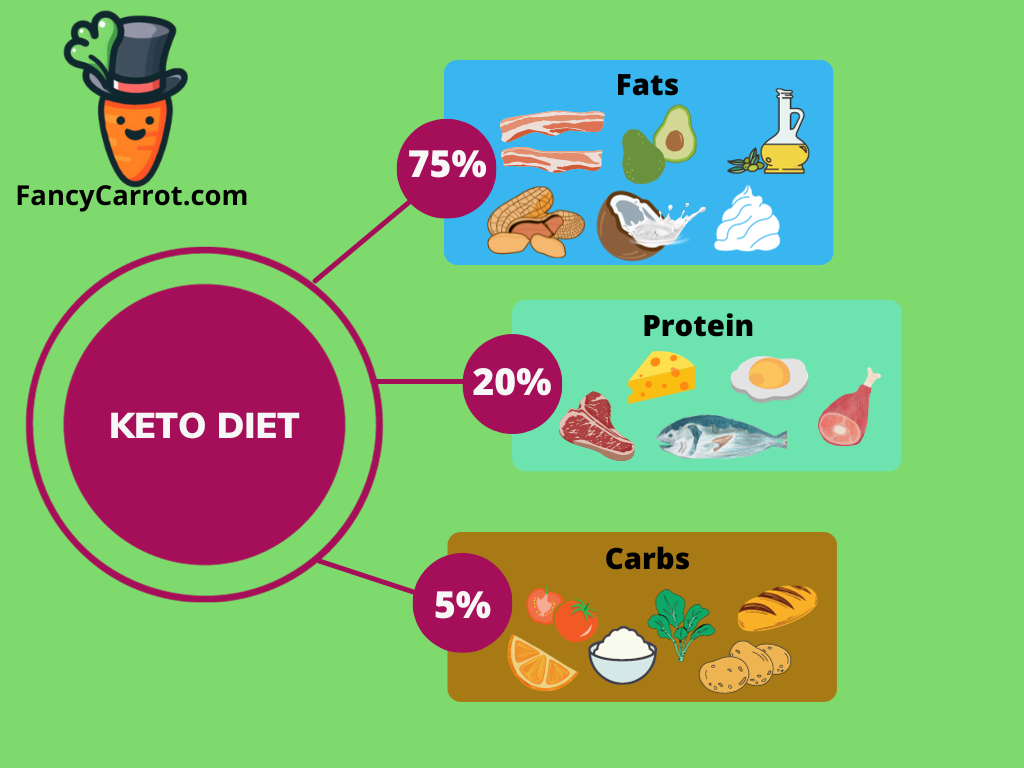
- Keto Diet: Once you are familiar with the foods you can and can’t eat, the Keto Diet doesn’t require much planning. That means you can cook normal meals for your children and only eat the part of breakfast/lunch/dinner that doesn’t contain any (or contains barely any) carbs. Note that this diet is not recommended for any mothers still breastfeeding their children!
3. I suffer from food allergies and have a hard time adjusting my diet to lose weight.

For anyone dealing with food allergies, we recommend diets that don’t limit your food choices:
- 4 Groups Diet: The 4 Groups Diet allows you to eat anything and everything, as long as you keep your protein and your simple and complex carbs separated. This means you can choose all the foods you are used to eating and easily avoid the foods you are allergic to while you work on losing that extra weight.
- Intermittent Fasting such as the 16/8 Diet: Intermittent Fasting is very easily adapted to suit every person’s lifestyle. Because there are no food restrictions, you can continue eating the foods you are used to eating and it will cause no issues with your allergies. Adjust the time of your breakfast or dinner and you’re good to go.
4. I have Celiac disease.

For anyone who has to eliminate gluten due to celiac disease, or anyone allergic to gluten, we recommend the following diets:
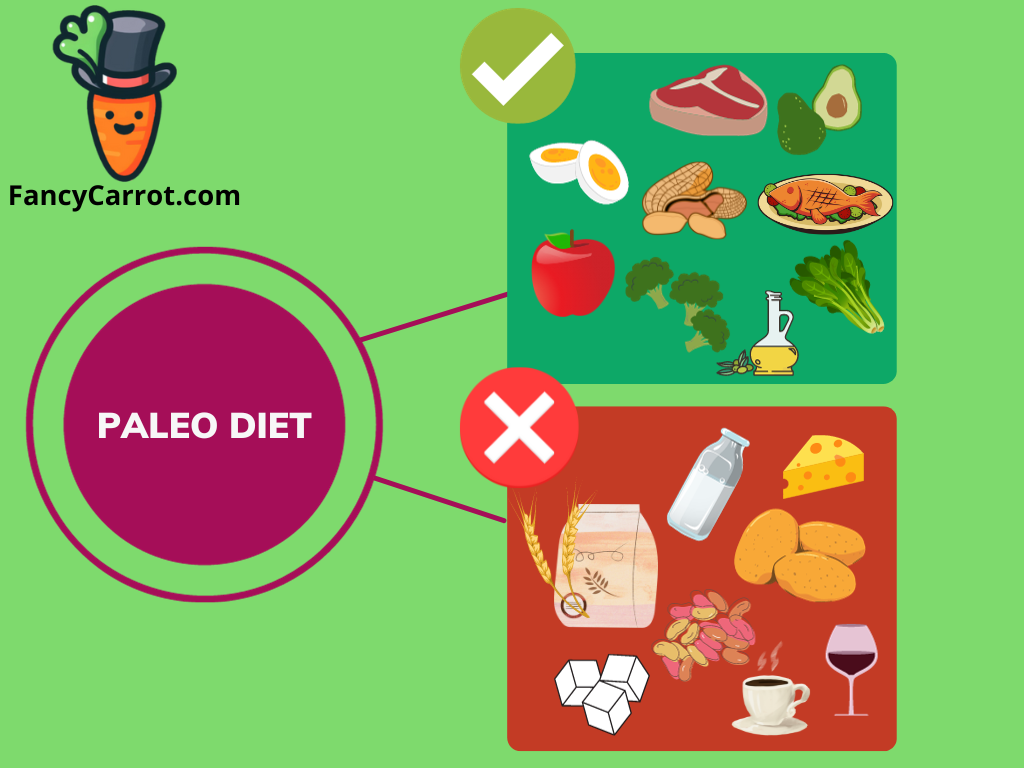
- Paleo Diet: The Paleo Diet excludes all grains, which means gluten is excluded as well. This makes the Paleo Diet ideal for anyone who needs to avoid gluten.
- Keto Diet: The Keto Diet excludes all carbs and consequently also entirely excludes gluten so it’s suitable for anyone who needs to avoid gluten.
- Intermittent Fasting such as the 16/8 Diet: Anyone wanting to lose weight who is worried about further food limitation can easily adapt to the Intermittent Fasting diet plan. With Intermittent Fasting, you will have no food restrictions and will be able to eat exactly what you are used to as long as you eat at the right times. This means that a gluten-free diet is more than compatible with the 16/8 Diet and other versions of Intermittent Fasting.
- 4 Groups Diet: The 4 Groups Diet allows all foods as long as they are divided into groups and consumed separately. This means that you can turn it into a gluten-free diet without excluding any additional foods.
5. I have diabetes.

For people with diabetes, food choices are even more important and it’s very beneficial to lose any excess weight, but it has to be done carefully and with a bit of planning. It’s best to ask a doctor or other medical professional before starting any kind of diet to avoid unnecessary issues.
If you have diabetes, it’s best to choose a diet that allows regular meals and only allows food with a low glycemic index (GI). This includes:
- Paleo Diet: The Paleo Diet excludes sugar and most carbs but allows foods with a low GI. This is ideal for anyone with diabetes.
- Keto Diet: The Keto diet excludes nearly all carbs, which means the food you are allowed to eat will have a very low glycemic index.
6. I don’t eat meat or animal products.
- 4 Groups Diet: The greatest benefit of the 4 Groups Diet is that you can adjust it to your own lifestyle and eat what you would normally eat. So on your protein day, you can avoid meat and animal products and still follow all the rules of the diet. Choose plant-based protein and you’re good to go.
- Intermittent Fasting such as the 16/8 Diet: The least restrictive diet in terms of what you can eat is definitely Intermittent Fasting. Eat what you always eat, adjust the time and lose weight. It’s that simple.
7. I’m physically very active at work or in my spare time, but I still can’t lose weight.
For anyone who is physically very active, whether that’s at work or in their spare time, choosing the right diet is especially important. Your body will need energy, so don’t choose a diet that restricts the amount of food you can eat. The type of diet suitable for active people is a diet that changes your eating habits but not the amount of energy you consume. We suggest:

- 4 Groups Diet: The 4 Groups Diet lets you eat all the foods from any of the food groups (just not all at the same time), so you will not run out of energy. The diet plan does include water only days once a month, but for physically active people it’s best to skip those as they will put your body under a lot more pressure.
- Keto diet: The Keto Diet doesn’t limit the amount of food you can eat and allows high-energy foods so there is no risk you will not be able to eat enough to meet your energy needs. Just be careful when choosing the low-carb foods.
- Intermittent Fasting such as the 16/8 Diet: The 16/8 Diet and other Intermittent Fasting options don’t limit the amount of food you can eat. Just make sure you plan your fasting hours in advance so you’re not fasting when you want to be active. It’s best to have your fasting period in the morning when your energy levels are still reasonably high.
Don’t see yourself in the descriptions above?
We are always busy looking for information about all the newest discoveries related to food, health and wellbeing so we add new content all the time. If you can’t find what you need, you can get in touch via EMAIL and we will do our best to answer all your questions.